
Solar Subsidy in India (2026) – Complete Guide for Homeowners
Government support schemes have made rooftop solar systems much more affordable in India. This guide explains the solar subsidy in India (2026), who is eligible, how much financial assistance you can get, and how to apply — so you can make an informed choice for your home solar system.
2/7/2026
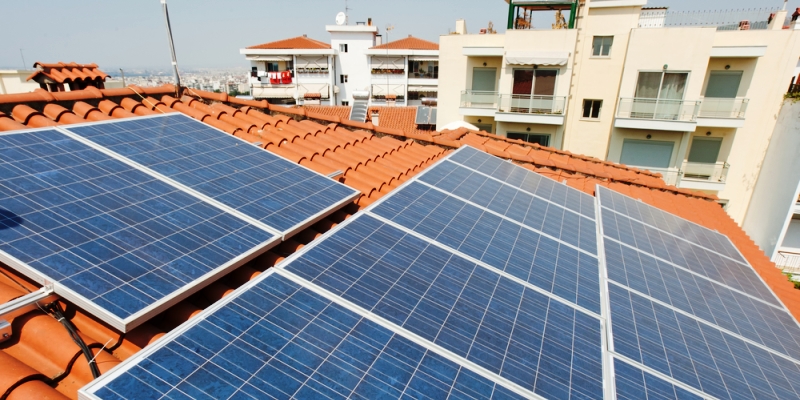
What Is Solar Subsidy in India?
Solar subsidy (also called Central Financial Assistance or CFA) is a financial incentive offered under the MNRE Grid Connected Rooftop Solar Programme. This subsidy helps residential homeowners reduce the upfront cost of installing rooftop solar systems.
Who Is Eligible for Solar Subsidy?
You are typically eligible if:
You are a residential property owner
You install a grid-connected rooftop solar system
The system uses equipment (panels/inverters) approved under the scheme
The installation is handled by a vendor empaneled or acceptable under the programme
You have net-metering agreement in place
Note:
Hybrid systems with batteries and off-grid systems usually do not qualify for this central subsidy.
How Much Solar Subsidy Is Available (Central Government)
The amount of central government subsidy depends on the size of the system you install.
Residential Solar Subsidy Structure (2026)
Solar rooftop systems up to 3 kW
→ Eligible for 40% of benchmark cost as subsidy (approx ₹18,000 per kW)Systems above 3 kW and up to 10 kW
→ Eligible for 20% of benchmark cost subsidy (approx ₹9,000 per kW)
No central subsidy above 10 kW capacity for individual households
The subsidy amount is distributed after installation and verification by your state DISCOM or through the national rooftop solar portal
State-Level Subsidy & Additional Benefits
In addition to central support, many states offer extra solar incentives, which vary significantly depending on local policies and energy boards. Here are some examples (indicative):
Rajasthan – Additional state subsidy on top of central subsidy for residential rooftop systems.
Delhi (NCT) – State offers approximately ₹2,000 per kW (max ~₹6,000) bonus along with CFA, plus some DISCOM fee waivers.
Uttar Pradesh – Central subsidy + state support (up to ~₹15,000 extra) for rooftop installs.
Maharashtra & Gujarat – Additional assistance and rebates available under state solar policies.
👉 Actual availability and amounts depend on specific state electricity policies and current budget allocations — always check with your local DISCOM or state energy department before applying.
How Much Money Can You Save With Solar Subsidy?
The total financial benefit from solar subsidy typically combines:
✅ Central government CFA
✅ State government incentives (where applicable)
Example (illustrative):
Central subsidy up to ₹78,000 for a 3 kW system
State subsidy (in some states) ~₹30,000
Possible total benefit ~₹1,08,000
This can significantly reduce your upfront cost and improve ROI on your rooftop system.
Types of Solar Systems Eligible for Subsidy
On-Grid Solar Systems
Eligible for central and state subsidies if all conditions are met.
Off-Grid Systems
Typically not eligible for central rooftop solar subsidy.
Hybrid Systems (Battery + Grid)
May not qualify for central subsidy — check with your installer first.
Detailed eligibility and implementation guidelines are provided through the official MNRE rooftop solar programme documents and portals
Step-by-Step Guide to Applying for Solar Subsidy
1. Choose an MNRE-friendly/approved solar installer
Your installer should understand the subsidy process and portal requirements.
2. Register on the rooftop solar subsidy portal
Use the National Rooftop Solar Portal or your state DISCOM portal.
3. Submit required documents
This includes proof of residence, Aadhaar, electricity connection number, etc.
4. Get feasibility and net-metering approval
Your DISCOM will inspect the site and approve net metering.
5. Complete installation & commissioning
Once installed, DISCOM will inspect and commission the system.
6. Subsidy release
Approved subsidy amount is generally credited directly to your bank account or adjusted with your installer’s invoice.
Documents Required for Solar Subsidy
Typical documents include:
Aadhaar card
Latest electricity bill
Address proof
Bank account details
Net-metering approval or application proof
Check with your installer or DISCOM for the exact checklist required in your state.
Common Myths About Solar Subsidy
❌ Myth: Subsidy applies to battery systems
✔️ Reality: Usually not — central subsidy is mainly for grid-connected systems.
❌ Myth: Subsidy is automatic
✔️ Reality: You must apply and go through approvals.
❌ Myth: State subsidy is same everywhere
✔️ Reality: It varies by state and policy.
Is Solar Subsidy Worth It?
Yes, if you:
Want to reduce upfront costs
Aim for faster return on investment
Seek long-term savings on electricity bills
Even without subsidy, rooftop solar is a great investment — but subsidy accelerates value.
Get Expert Help With Solar Subsidy
Falcon Solar's Partners assists homeowners with the full subsidy process, including documentation, approvals, installation, and net-metering setup.
👉 Get Free Solar Subsidy Assistance
Check Your Subsidy Eligibility